


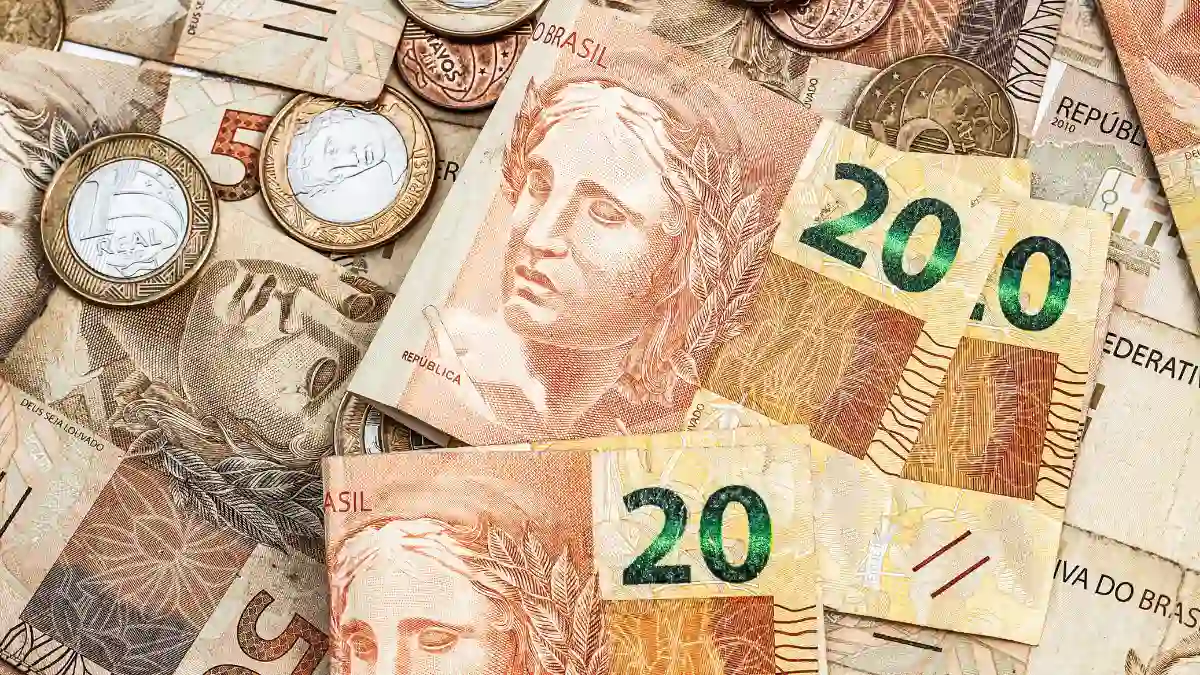
Brazil’s infectious energy, diverse ecosystems, and vibrant street life make it a one-of-a-kind destination-but navigating money in Brazil takes some planning. The official currency is the Brazilian Real (BRL), and while cards are accepted in most cities, many vendors-especially in markets, beach stalls, and rural areas-operate on a cash-only basis. ATMs are widespread but can be inconsistent with foreign cards, and dynamic currency conversion (DCC) is common and should be avoided. This guide explains how to manage currency in Brazil smartly, where to exchange money, and what cash habits you’ll need across this vast and varied country.
How to pay in Brazil – cash or card?
While credit and debit cards are widely used, cash remains popular in many places, accounting for approximately 47% of transactions. Tourists can use cards for convenience in cities and resorts, but cash is required for markets, remote areas, and islands.
You can use cash for:
- Budget hotels (especially in small towns or beach areas)
- Hostels
- Local tour operators (especially at beaches, Amazon trips)
- Tips and gratuities (very commonly given in cash)
- Street food (pastel stalls, tapioca stands, etc.)
- Small eateries / restaurants (including per-kilo buffets)
- Small purchases
- Local expenses at open-air markets and street vendors
- Local buses (in many cities, still accept cash)
- Local taxis (some prefer cash over meter-based card machines)
- Mobile SIM and phone top-up (newsstands, kiosks)
- Laundry services
- Tailoring services
- Nightlife / bars (especially in smaller towns or samba clubs)
You can use card for:
- 4 and 5 star hotels
- Large tour operators
- Shopping at malls and department stores
- Entry fees to museums, parks, Christ the Redeemer, etc.
- Local buses (Rio/São Paulo accept contactless cards and apps)
- Local trains (metro and intercity rail)
- Airport transport (airport buses, app taxis)
- Sit-down restaurants
- Upscale restaurants
- Online bookings for upscale hotels, flights, tours
- Spas
- Vehicle renting
- Emergency medical clinics / pharmacies
- App-based taxis (Uber, 99, InDriver)
Brazil is largely card-friendly in major cities, but carry cash for tipping and markets. Visa and Mastercard are widely accepted, but some local-only debit networks exist. The currency is the Brazilian Real (BRL).
What’s the best currency to take to Brazil?
Brazil’s official currency is the Brazilian Real (BRL). Note denominations are R$ 2, 5, 10, 20, 50, and 100. This is most commonly accepted.
US Dollars are accepted for online tours and luxury hotels in major tourist areas. But otherwise, expect to pay in Real only. Don’t rely on using Pounds and Euros.
So, Brazilian Real is the best currency to take to Brazil.
Where to get the local currency in Brazil?
In Brazil, you can get the local currency in 3 ways. These are:
ATMs, or
Currency exchange
Money transfer and local pick-up
Types of cards to swipe in Brazil
Visa and Mastercard transactions are commonly accepted for swiping. You might also find some places that accept Amex and other cards, albeit less frequently.
Types of cards at ATMs in Brazil
When withdrawing money in Brazil, majority of the ATMs will accept Visa, Mastercard, Cirrus, and Plus and Maestro cards. Some of them accept Amex cards. Cards such as Diners, Discover, JCB, UnionPay, Rupay are not usually accepted by many ATMs.
Should I exchange money before travelling to Brazil?
It’s advisable to carry a small amount of Brazilian Real (BRL) for immediate needs such as taxis, snacks, or tips. However, BRL can be difficult to obtain abroad, and exchange rates outside Brazil are often less favorable. Most travelers wait to withdraw local currency after arrival.
ATMs are widely available in airports, cities, and shopping centers across Brazil. Most accept Visa and Mastercard, but compatibility with Cirrus, Plus, and Maestro can vary. Note that ATMs inside banks are generally more secure and reliable than standalone machines. Confirm withdrawal fees with your bank before travel.
If you prefer to exchange cash, it’s best done at official exchange bureaus or major banks (called câmbio) in Brazil. Avoid street money changers or unauthorized vendors. USD, EUR, and sometimes GBP are the easiest currencies to exchange.
Card usage is widespread in urban areas, especially at restaurants, hotels, shops, and taxis. However, cash is essential in small towns, markets, and for certain services. Always carry a mix of BRL cash and cards for convenience and safety.
Where to withdraw money in Brazil
The best ATMs for foreigners to use in Brazil are those owned by popular banks such as:
- Banco Bradesco, and
- Itau.
There are other banks such as Santander and non-bank ATMs such as Banco 24 horas that also accept international debit and credit cards. However, they charge higher ATM Fees to foreign card holders compared to the previously mentioned banks.
Global ATM Alliance: The Global ATM Alliance is a partnership between many banks around the world that allows its customers to withdraw cash from all partner banks abroad without incurring any ATM fees. The Global ATM Alliance includes many banks from the United States, the United Kingdom, Europe, Australia, and Latin America, such as Bank of America, Barclays, and Deutsche Bank. However, no local banks in Brazil are part of this network. So do not rely on this.
For a detailed guide, read Cash and ATMs in Brazil.
So stop paying unnecessary fees to withdraw your own cash abroad.
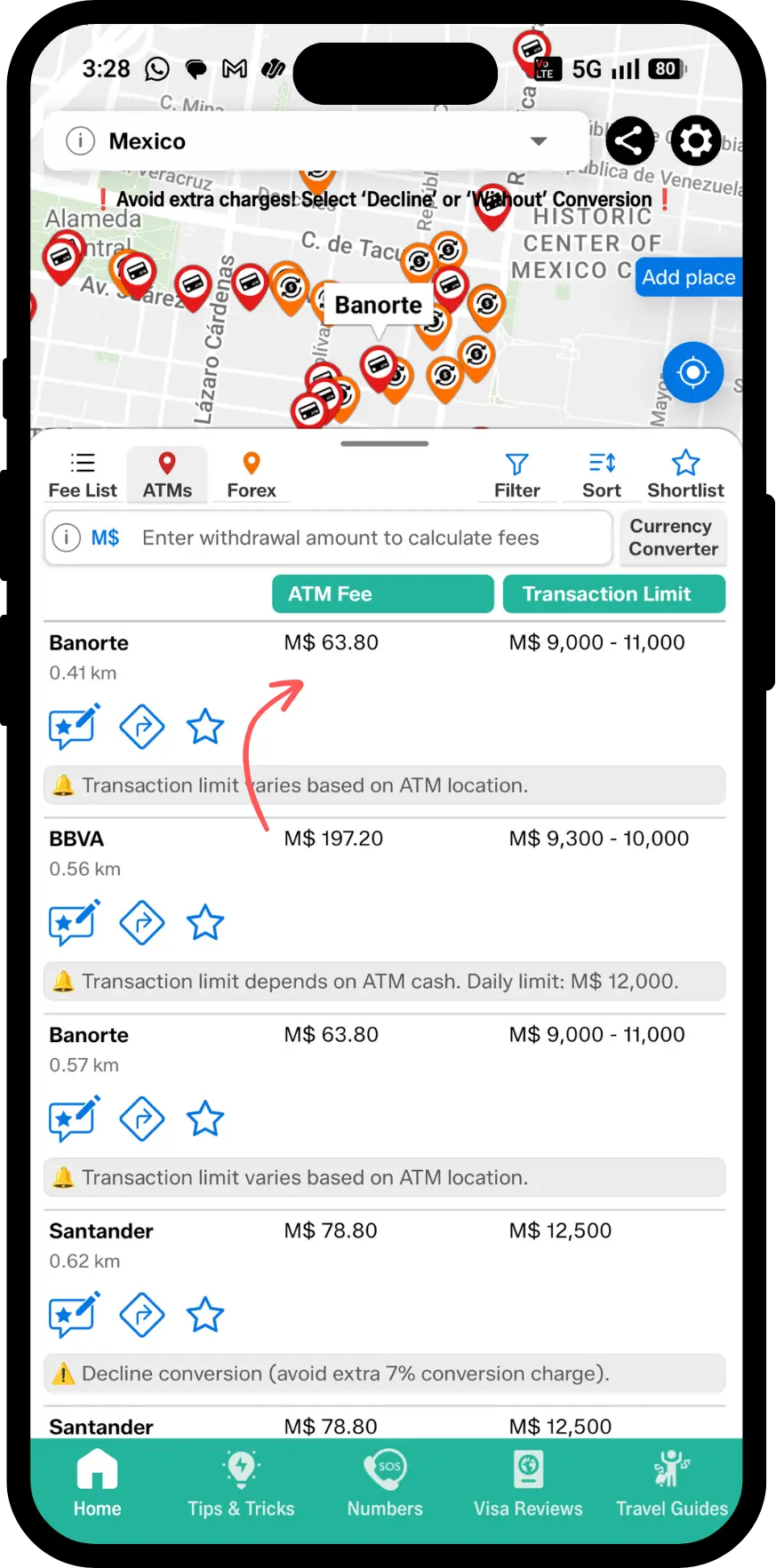
ATM Fee Saver shows you fee-free ATMs, with the latest fees and transaction limits. Know the cost before you withdraw.
Find fee-free ATMs in 180+ countries. Download free.


Where to exchange currency in Brazil
In Brazil, you can exchange currency at authorised currency exchanges, banks, airports, and hotels, the most popular being authorised currency exchanges.
Currency Exchange Offices:
Currency exchange in Brazil is handled through “Casas de Câmbio” (exchange bureaus), especially in cities and tourist areas. They typically offer better rates than hotels and airports. Reliable exchange providers and areas are
- São Paulo: Avenida Paulista, Consolação, Guarulhos Airport (though airport rates are lower)
- Rio de Janeiro: Copacabana, Ipanema, Galeão Airport (but city rates are better)
- Exchange chains: Confidence Câmbio, Cotação, Brazil Money Exchange, Turcambio
These services are often open during extended hours and are located inside shopping malls and business districts.
- Banks Offering Currency Exchange:
Banco do Brasil
Bradesco
Itaú
Caixa Econômica Federal
Bank branches may offer foreign exchange, but it is typically slower and may require documents such as a passport and CPF (Brazilian tax ID), especially for large amounts.
💡 Tip: Carry smaller denominations of Brazilian Real (BRL), especially when traveling outside major cities. Exchanging cash is often simpler than using international cards in rural areas.
Pro-tips:
Stay away from airport exchanges – Poor rates
Avoid the black market – Be wary of being conned.
Include fresh notes – If your notes are damaged or dirty, you can expect to pay more or less.
Is carrying money in Brazil safe?
Generally, no. When travelling in Brazil, it is not safe to carry large amounts of cash. Of course, some cities and towns are safer than others, but in general, you should only carry enough cash to last the day or a few hours. Since you will need to have some cash on hand when travelling in Brazil, here are some tips for keeping it safe:
Some safety tips for carrying cash while travelling in Brazil are:
- Carry only the cash you need.
- Do not keep all the cash in one pocket or wallet.
- Put some cash in a safety belt or fanny pack.
- Do not flash your cash.
- When paying, do not remove or display your entire cash.
- Keep wallets preferably in front pockets.
- Cross-wear your purses if possible.
- Hold your purses, wallets and bags close and tight on crowded streets and in public trains and buses.
- When withdrawing cash, keep the cash low while you count it so people around don’t see it.
- If you’re dining alone, don’t leave your wallet / bag unattented while you go to the restroom.
- If sitting outdoors in a restaurant, don’t leave your wallets / bags on the table.
Is it better to use debit or credit cards or pay by cash in Brazil
Use a card if it is fee-free i.e. your bank does not charge any fees to swipe the card, when the merchant / POS also does not impose any extra charge to use a card, you need to use the insurance of the card, don’t want to block cash of large purchases and card’s swipe fees are lower than withdrawal fees.
Pay by cash by withdrawing cash from ATM or exchanging currency where – fees on ATM withdrawals are lesser than fees on swiping cards, you don’t want to leave any digital footprint of your expenses, it is convenient and easier to conduct transactions.